A new article in the Journal of Food Protection argues that effective food safety systems depend as much on how science is generated and communicated as on the science itself. Authored by Carmen Diaz‑Amigo, Leticia Bartolomé del Pino, Vittorio Fattori and Catherine Bessy, the paper sets out a shared responsibility agenda for scientists, regulators, industry and communicators to strengthen trust and decision‑making across the food chain.

Food safety decisions increasingly rely on complex, fast‑moving evidence—from novel foods and processing technologies to AI‑enabled monitoring—while public scrutiny and misinformation risks grow. The authors stress that robust, transparent science must be paired with consistent, understandable communication to support risk assessment, policy development and implementation of controls globally.

Core messages

Science must be rigorous, transparent and accountable: limitations and uncertainties in data should be explicitly assessed and communicated when informing regulations and management decisions.

Institutional frameworks should promote integrity: systems that reward reproducibility, appropriate interpretation of data and avoidance of “spin” help ensure evidence used for policy is fit‑for‑purpose.

Trust depends on both evidence and communication: clear, consistent messaging across stakeholders—risk assessors, managers, industry, media, educators and consumer groups—is essential to maintain credibility.

Accurate scientific communication is a shared responsibility: from study design to publication and policy uptake, each actor has a role in preventing misinterpretation and over‑extrapolation.

Novel tools, including AI, require careful evaluation: benefits for detection, surveillance and forecasting must be weighed against risks such as biased data, explainability gaps and premature deployment.
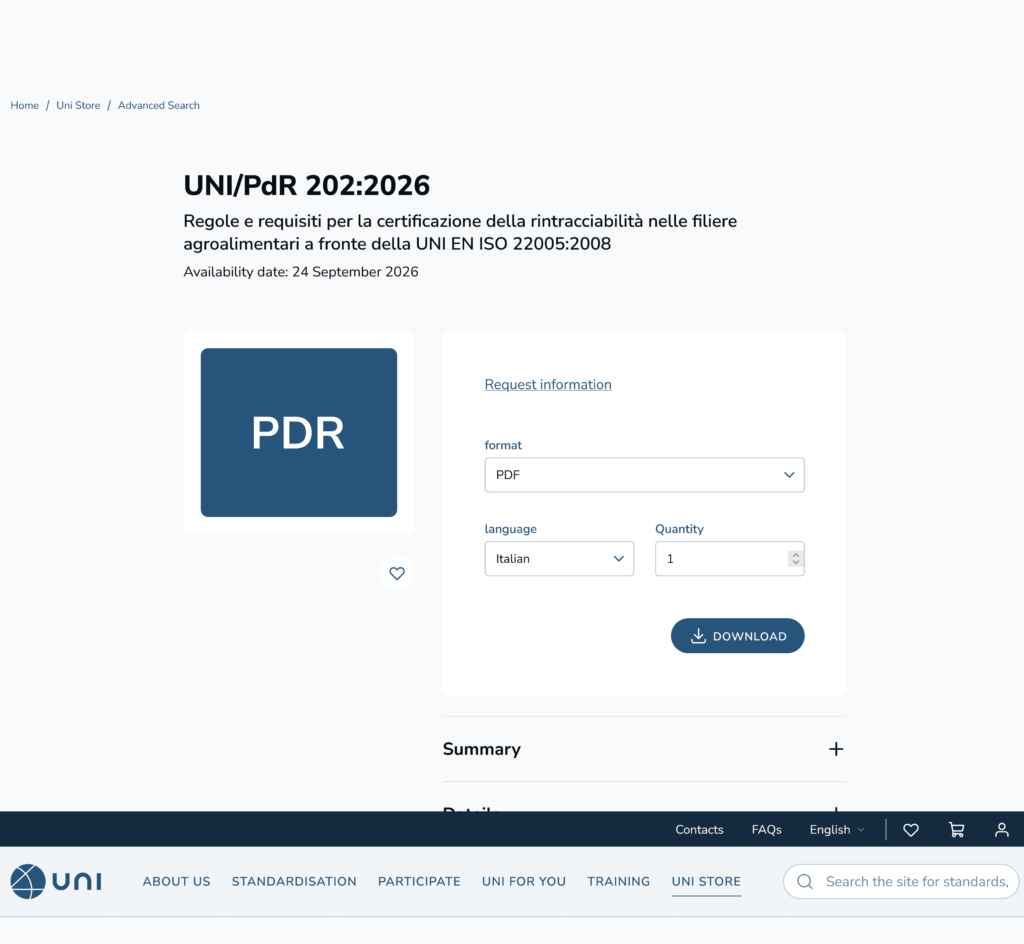

UNI EN ISO 22005

Communicating the quality and traceability of agri-food production is a strategic priority for organizations operating in the agri-food and feed sectors, as well as for distribution chains.

Implementing an effective system to monitor activities and processes helps strengthen consumer trust and improve market transparency, in line with UNI EN ISO 22005 (Traceability in the Feed and Food Chain – General Principles and Basic Requirements for System Design and Implementation).

Equally important, however, is the establishment of clear rules and requirements for the accredited certification of traceability systems in agri-food supply chains.

This specific need is addressed by UNI/PdR 202, recently published by UNI and now freely available through the UNI Catalogue. The document defines general requirements, including legal and contractual aspects, economic and financial considerations, impartiality management, and public information requirements. It also covers structural requirements relating to organizational governance and top management, personnel resource requirements, process requirements, and additional provisions for issuing accredited certifications in the agri-food sector according to UNI EN ISO 22005:2008.

Source: UNI.

Comunicare la qualità e la rintracciabilità delle proprie produzioni agroalimentari.


E’, questo, un aspetto strategico per le organizzazioni del settore agroalimentare (e mangimistico), nonché per le catene di distribuzione.
Attuare un efficace sistema di controllo delle proprie attività e dei propri processi migliora la fiducia dei consumatori e la trasparenza nei confronti del mercato, come previsto dalla UNI EN ISO 22005 (“Rintracciabilità nelle filiere agroalimentari – Principi generali e requisiti di base per progettazione di sistemi e attuazione”). Ma a fronte di questo, è altrettanto fondamentale stabilire regole e requisiti per la certificazione accreditata della rintracciabilità nelle filiere agroalimentari.
E’ a questa specifica esigenza che risponde la UNI/PdR 202, appena pubblicata e ora liberamente scaricabile dal Catalogo UNI sviluppata da UNI.Il documento tratta requisiti generali – con i relativi aspetti legali e contrattuali, quelli economico-finanziari, la gestione dell’imparzialità, le informazioni al pubblico – ma anche i requisiti strutturali (struttura organizzativa e alta direzione), quelli per le risorse del personale, i requisiti di processo e tutti gli aspetti aggiuntivi per il rilascio delle certificazioni accreditate nel settore agroalimentare a fronte della UNI EN ISO 22005:2008. (Fonte UNI)

PER INFORMAZIONI:UNICA Desk

https://www.basilicata.camcom.it/tutela-regolazione-del-mercato/unica-desk

New article explores how to anticipate tomorrow’s food safety crises

What might the next food safety crisis look like – and, crucially, will we detect it early enough to prevent harm? A new peer‑reviewed article in Frontiers in Sustainable Food Systems tackles this question head‑on, offering a structured vision of how emerging risks are transforming the global food safety landscape. Drawing on the expertise of the FoodSafeR consortium and its International Advisory Board, the paper examines how climate change, novel food production technologies, evolving supply chains and shifting consumer behaviours are combining to create new and more complex hazards. These range from climate‑driven mycotoxin patterns and new microbial threats to risks linked with alternative proteins, novel processing techniques and increasingly digitalised trade.
To help authorities and operators move from a reactive to a proactive stance, the authors propose a framework for identifying, prioritising and monitoring emerging food safety risks. It integrates horizon scanning, expert judgement and data‑driven tools, and is designed to support early warning and structured decision‑making in a rapidly changing food system.


This conceptual model underpins the development of the FoodSafeR ecosystem, which aims to provide practical methods and indicators that risk assessors, regulators and industry can use to detect weak signals and translate them into timely action. By clarifying terminology and mapping key drivers of change, the article also offers a common language for ongoing collaboration between EU projects working on emerging risks.

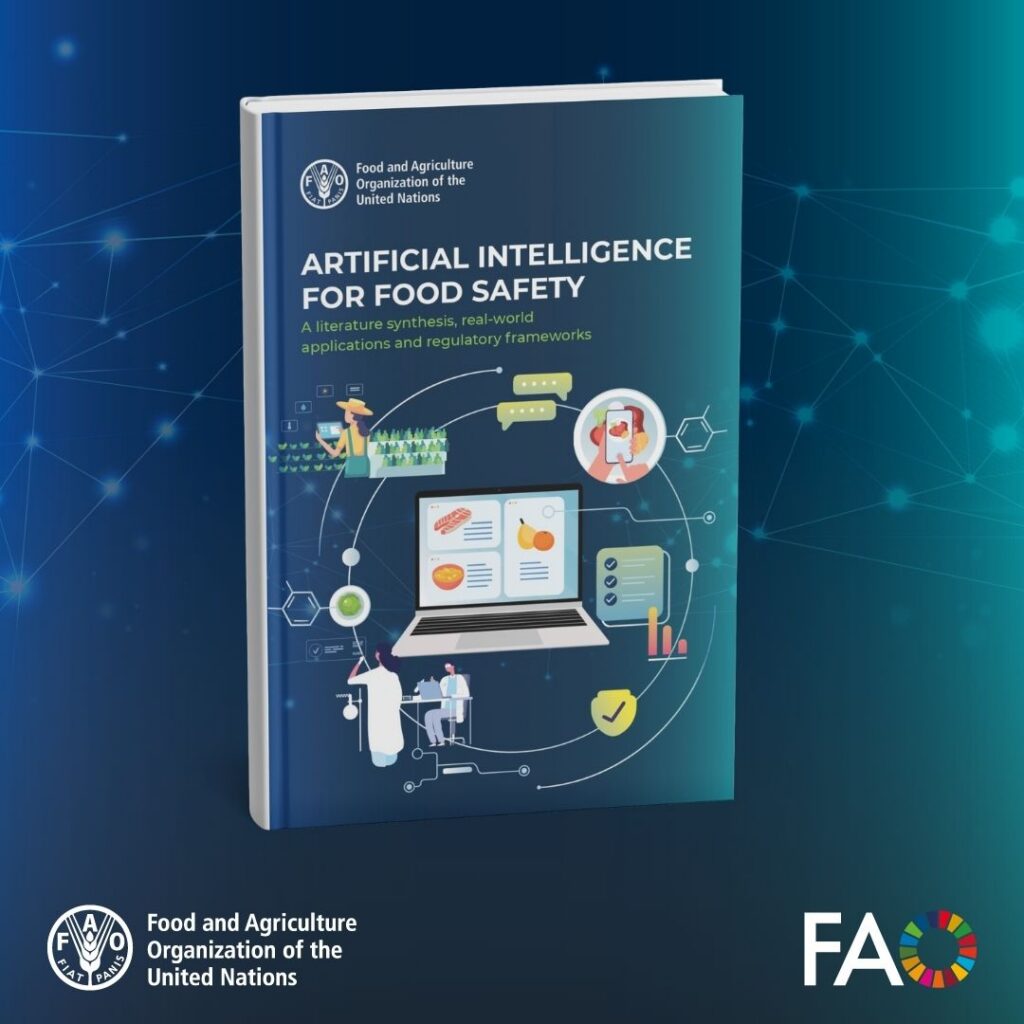
A new technical report by FAO and Wageningen Food Safety Research offers a global overview of artificial intelligence (AI) in food safety. Reviewing 141 recent scientific publications, it highlights practical applications of AI in laboratory testing, inspections, border controls, and risk communication, with examples from both high- and low-resource settings. The report also evaluates governance frameworks and stresses the need for high-quality datasets and improved AI literacy, especially in public sector agencies. Despite enthusiasm, the study notes data and capacity gaps in many food safety authorities, making responsible, well-managed AI adoption essential for risk-based prevention.

The publication draws from discussions at an FAO global seminar on November 6, 2024, which brought together 1,023 participants from 107 countries to share experiences and challenges using AI for food safety. As technology develops, FAO will continue to help countries adopt responsible AI solutions to reduce foodborne risks, optimize regulatory efforts, and strengthen food safety worldwide.

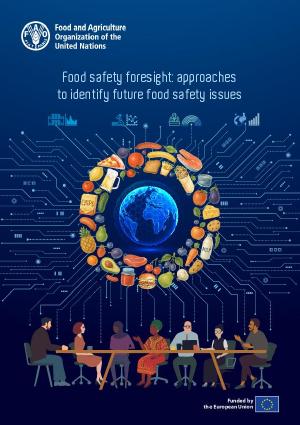
FAO launches publication on Food Safety Foresight

Foresight in food safety helps anticipate and manage emerging risks and opportunities over the medium to long term. A new FAO publication outlines best practices and guiding principles for policymakers, regulators, researchers, and industry professionals, showing how foresight techniques can strengthen preparedness across agrifood systems.

Amid rapid transformations driven by climate change, urbanization, global trade, and innovation, food safety challenges are becoming more complex. The FAO Food Safety Foresight Programme highlights the role of expert-led intelligence, digital tools, and multisectoral collaboration in identifying trends and supporting science-based risk assessment.

This approach empowers stakeholders to anticipate challenges, share knowledge, and inform proactive policy making, building more resilient and sustainable food systems worldwide.

A new joint publication by five key EU agencies—EFSA, EMA, EEA, ECHA, and ECDC—has been released, showcasing their ongoing scientific cooperation on One Health topics such as zoonoses, emerging risks, and antimicrobial resistance.

This paper, authored by Stefania Tampach, Ana Vidal, Ian Marnane, Wim De Coen, Ole Heuer, Carlos G. das Neves, Kerstin Gross-Helmert, Gorgias Garofalakis, and Stef Bronzwaer, analyzes the coordination tools outlined in Memoranda of Understanding and working arrangements between the agencies.
It highlights their collaborative efforts, including joint publications, and recommends exploring further mechanisms to enhance multi-sectoral cooperation and advance the implementation of the One Health strategy across the EU.

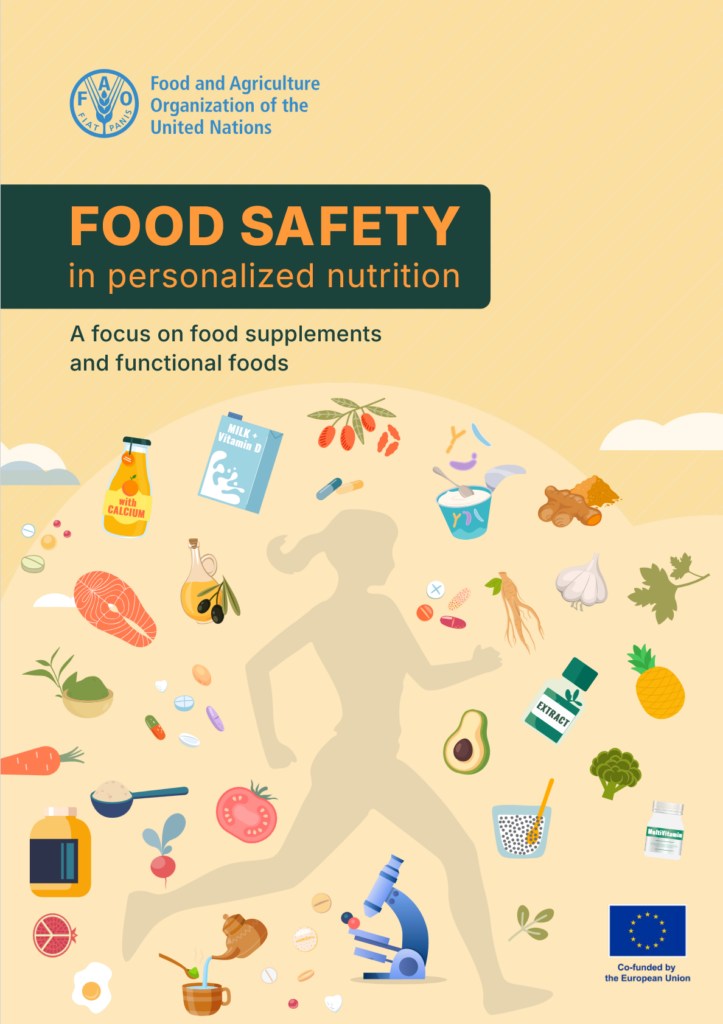
The Food and Agriculture Organisation of the United Nations (FAO) has published the report “FOOD SAFETY in personalized nutrition – A focus on food supplements and functional foods“, highlighting the evolving challenges in ensuring the safety of these products. Key aspects include ingredient safety (especially those without a history of consumption), interaction with medications, and the importance of appropriate dosage.
The report also compares global regulatory practices on classification, labelling, and oversight of supplements and functional foods. It offers strategic insights for strengthening food safety governance, particularly in low- and middle-income countries, promoting both innovation and consumer protection.

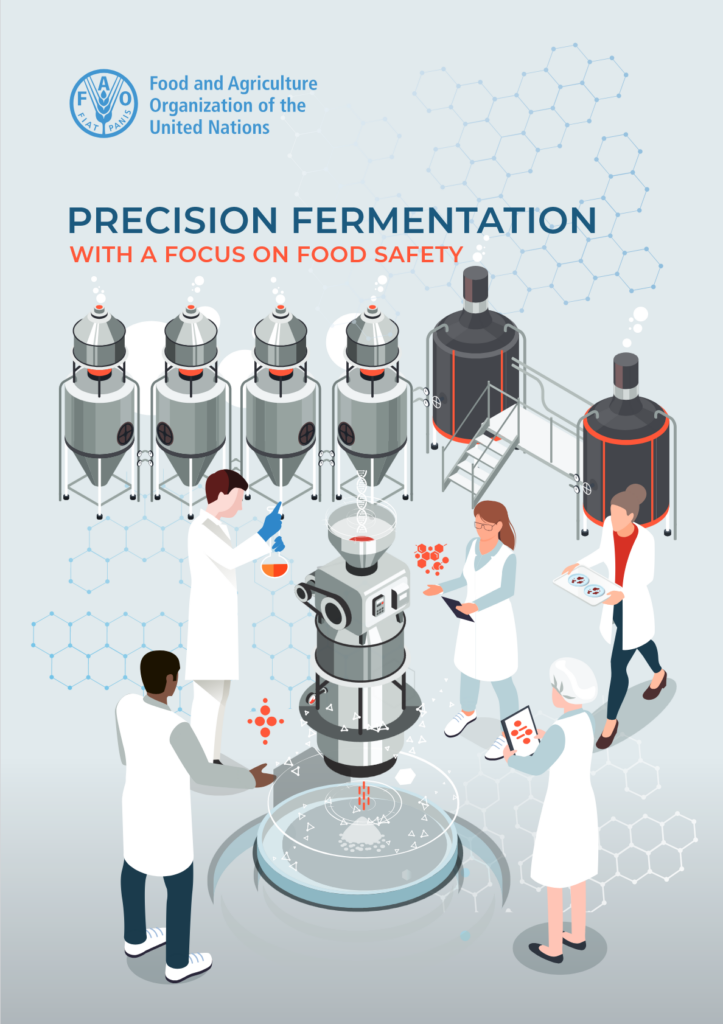
The Food and Agriculture Organisation of the United Nations (FAO) has published the report “Precision Fermentation – With a Focus on Food Safety“, which examines the emerging technology of precision fermentation and its implications for food safety.
Precision fermentation involves using specifically engineered microorganisms to produce targeted food ingredients such as proteins, lipids, and vitamins, often as sustainable alternatives to animal-derived products.
The report highlights the lack of a global definition for precision fermentation, complicating harmonised international regulations. It provides an in-depth analysis of the production process, potential food safety hazards-including allergenicity concerns-and compares regulatory frameworks across various countries. Through three detailed case studies and consultations with regulatory experts worldwide, the publication aims to guide policymakers and food safety authorities in establishing effective, adaptive regulatory approaches to ensure the safe introduction of precision-fermented foods globally.

New Eurobarometer Report

The latest Eurobarometer report, provides key insights into European citizens’ knowledge and attitudes towards science and technology. The survey explores public awareness, trust in scientific advancements, and perceptions of the benefits and risks of emerging technologies.

Key topics covered include:
– Understanding of science and technology and sources of information
– Impact on society, including climate change and innovation
– Governance and public access to research results
– Trust in scientists and their role in society

This report offers valuable data for policymakers, researchers, and industry leaders working to bridge the gap between science and society.

Read the full report here


A comprehensive resource for the EU Food and Drink Industry

The Data & Trends 2024 report by FoodDrinkEurope is now available. This essential resource offers detailed statistics and insights into the EU food and drink industry, highlighting its position as the largest manufacturing sector in the EU.

The report reveals that the industry employs 4.7 million people, generates a turnover of €1.2 trillion, and adds €250 billion in value. It also explores the cost of transitioning to more sustainable food systems, input costs, and future industry trends.

Additionally, the report provides a market outlook, showing that 65% of EU food and drink exports go to the Single Market, with exports outside the EU reaching €182 billion and a trade surplus of €80 billion. It includes a ranking of the top 50 food and drink companies worldwide.

This comprehensive report is an invaluable tool for professionals looking to understand the current landscape and future direction of the EU food and drink industry.